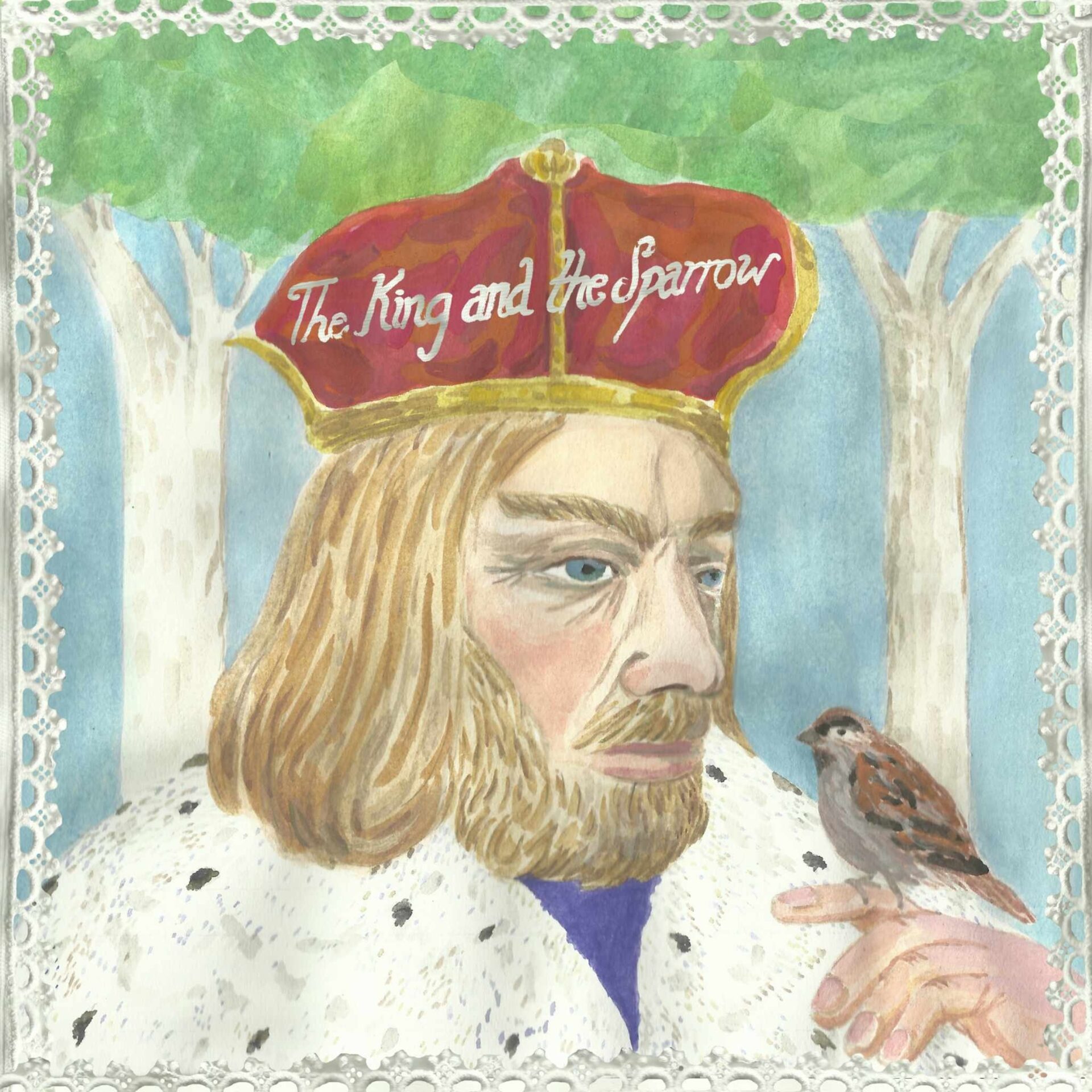











“Pretty Pills” by Long Island alt-rock band Heavy on the heart is perhaps their most unsettling work to date. Known for turning struggle into strength, the band channels raw emotion into a song that feels deeply human.
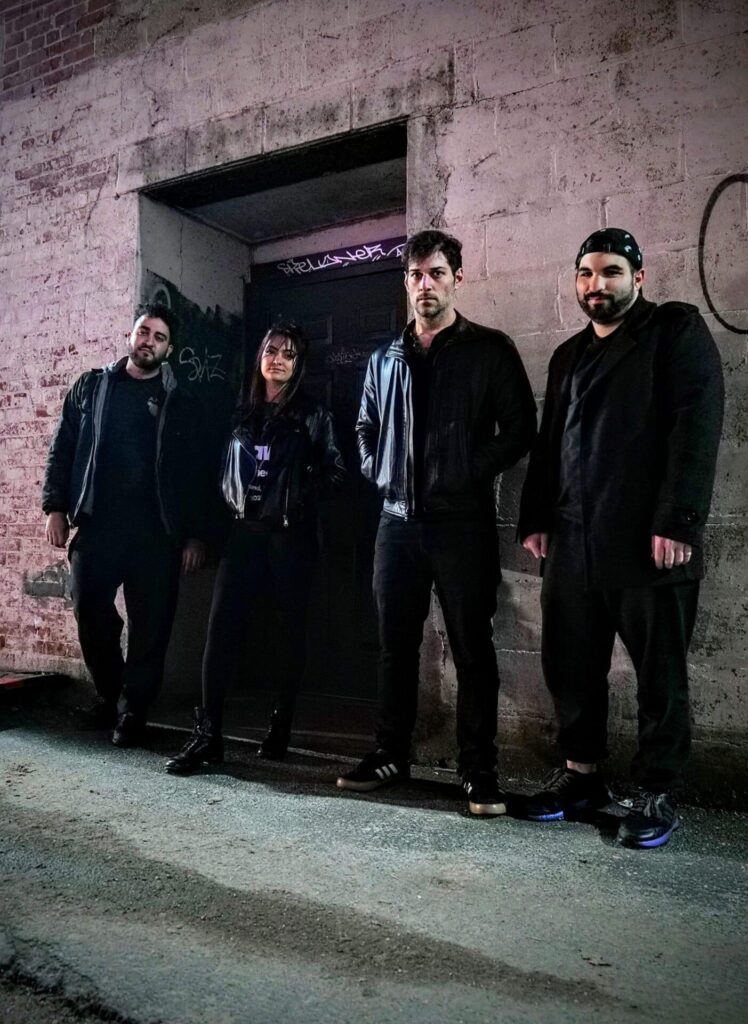
From the very beginning, the track refuses to play safe. Nikki Brady delivers lines like “These pretty pills are fake, but I just can’t ignore em, I can’t let em go to waste” with a voice that is confessional so as it is commanding. Her performance captures the quiet desperation of dependency while never losing sight of the intensity needed for a rock anthem. The rest of the band rises to the occasion. Costas Themistocleous’s guitar lines swing between restrained brooding and urgent bursts. At the same time, Nick Kolokathis’s drumming pounds with precision, giving the music its weight. Andrew Nicolae’s bass holds everything together, dark and steady, like the pulse of the song itself.
Follow HEAVY ON THE HEART via:
Thematically, “Pretty Pills” is unflinching. It explores insomnia, addiction, and the suffocating cycles of self-sabotage. When Brady sings “I’m just days away from jousting with a train, the things I keep locked away from my therapist,” the blunt honesty cuts straight through. Unlike many rock tracks that cloak pain in metaphor, this one embraces it outright, making the darkness impossible to look away from.
What makes this single remarkable is how it manages to be both deeply personal and broadly relatable. Addiction and dependency are difficult subjects, yet Heavy on the heart transforms them into something listeners can not only understand but also feel in their bones. The outro’s explosive nature leaves the impression of a wound that won’t close, which is exactly its strength.
“Pretty Pills” succeeds because it never pretends to heal or resolve the pain it presents. Instead, it gives that pain a voice, one that lingers long after the last note.