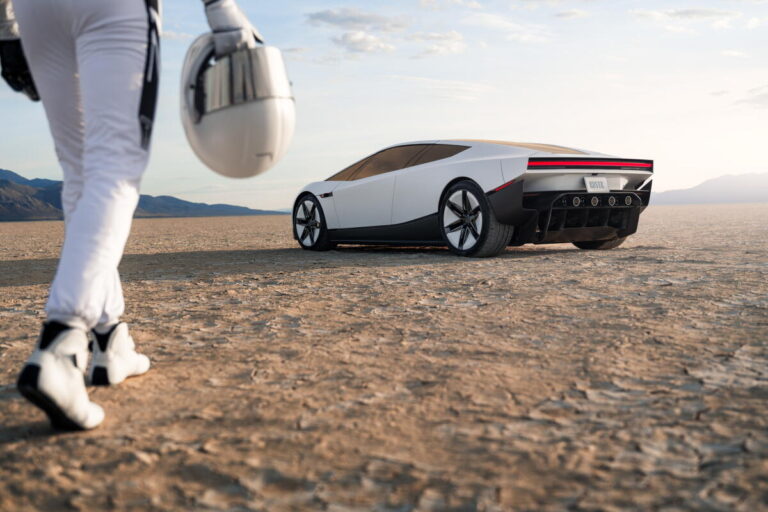
TESLA ROADSTER 2028
Tesla finally peeled back the curtain on its redesigned production Roadster. For those of us tracking automotive shifts and tech breakthroughs, this moment feels less like a simple car release and more like an outright statement of intent.

credit: Mashable
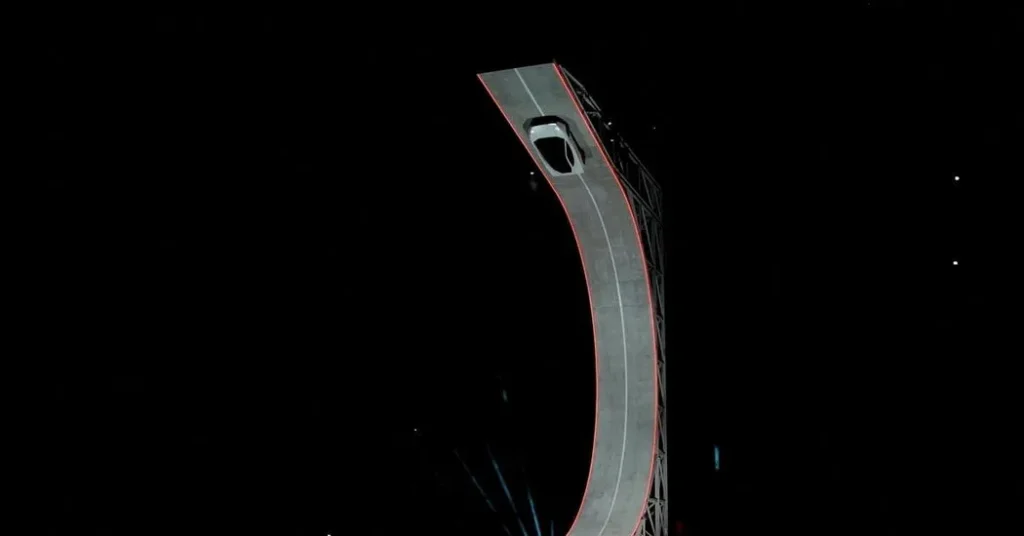
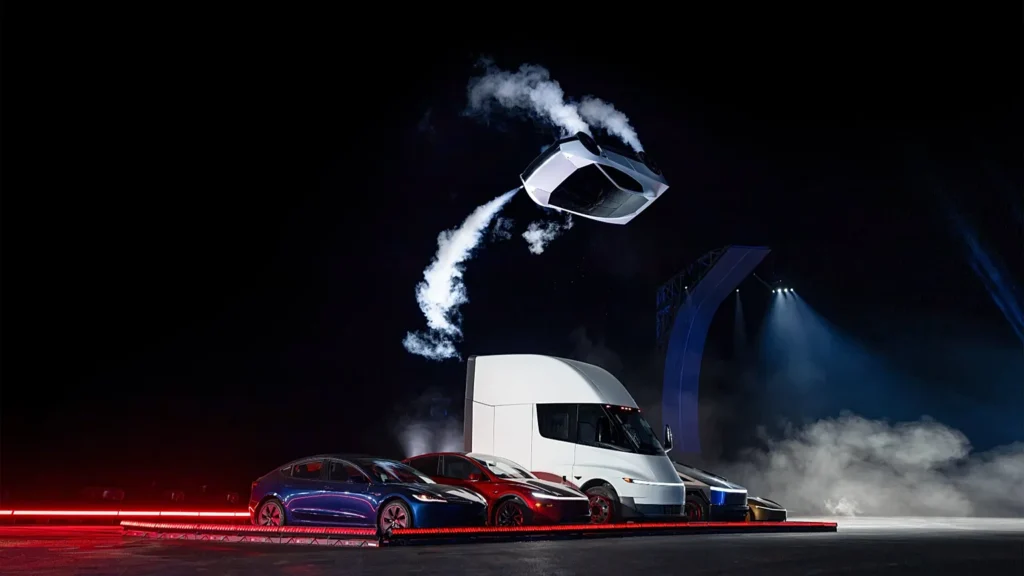
The vehicle itself pushes past traditional supercar boundaries. Tesla split the configuration into three trims: a base Performance model, a Thrust augment, and an extreme, invite-only Rocket variant. The headline numbers sound almost unreal. The Rocket version claims a zero to sixty launch under 0.59 seconds, using cold gas thrusters developed alongside SpaceX technology. The car even uses specialized suction fans that help lock it to the tarmac. Beyond raw speed, it runs on an upgraded 800 to 1,000 volt battery architecture, aiming for 10 to 80 percent charging times in roughly ten minutes when attached to high capacity chargers.
credit: nytimes
Getting one of these machines into your garage requires a substantial upfront commitment. Final purchase prices remain unconfirmed, but reservation fees alone start at $50,000 for the standard model and reach $250,000 for the Thrust option. Actual deliveries are targeted to start around 2028 out of Giga Texas.

The ripples from this release go far beyond luxury driveways. On an economic level, an engineering project of this scale accelerates local supply chains, battery cell manufacturing, and high voltage public charging infrastructure. For everyday citizens, high end hypercars act as test laboratories. The extreme thermal management, ultra fast charging, and structural battery designs engineered for this platform eventually trickle down into regular, affordable consumer EVs over the next decade.
Looking at the bigger picture, this event signals a deeper shift in consumer technology. We are watching the boundary between aerospace engineering, software, and automotive design dissolve. As software controls everything from active aerodynamics to power distribution, cars are turning into heavy duty computing devices on wheels.

Opportunities to capitalize on right now:
- Industry Supply & Engineering: Emerging demands in high output 800V components, thermal systems, and specialized materials open clear paths for engineers, suppliers, and tech talent.
- Content Creation & Tech Analysis: The intersection of automotive tech and space tech generates massive public interest. Explaining these complex hardware shifts provides a solid niche for writers, creators, and commentators.
- EV Infrastructure Expansion: High speed charging requirements will continue driving demand for local power upgrades, grid software, and energy storage installations.