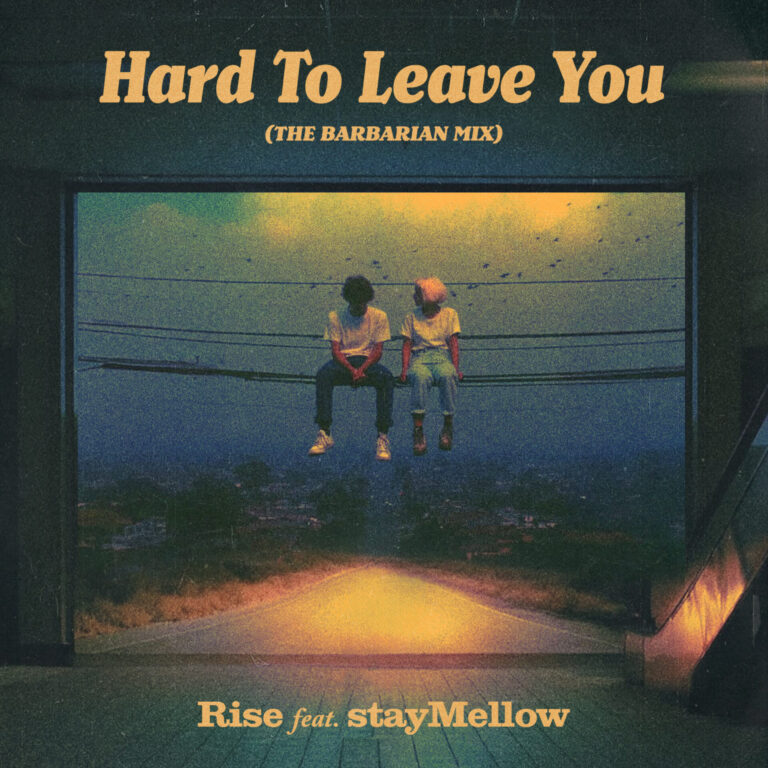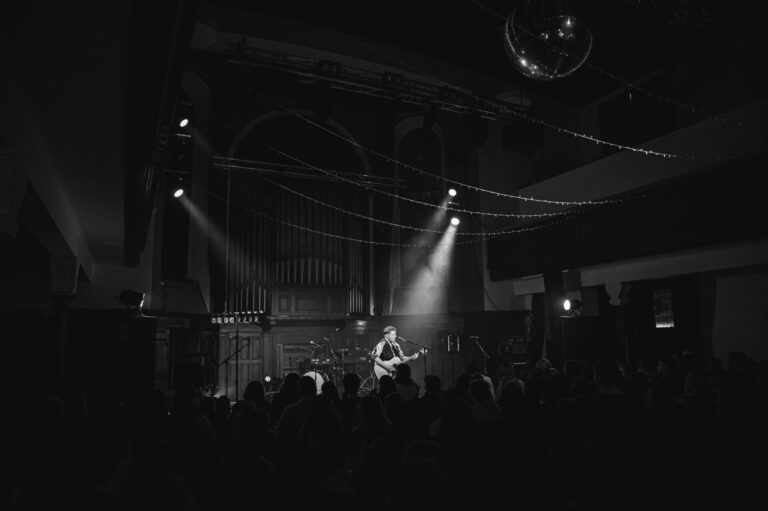
Taija New is known for her sharp lyricism, but she’s never sounded as confident as she does...
R&B
Evolving from jump blues in the late 1940s, R&B laid the foundation for rock & roll. It retained the tempo and energy of jump blues but had a simpler instrumentation and focused more on the song itself rather than improvisation. R&B featured blues chord changes with a strong backbeat. In the 1950s, R&B was dominated by vocalists like Ray Charles and Ruth Brown, as well as vocal groups like the Drifters and the Coasters. Over time, R&B transformed into soul, which had a funkier and more relaxed feel compared to the driving rhythms of R&B. Soul encompassed various styles within the R&B genre. From the catchy and upbeat acts at Motown to the gritty, horn-driven soul of Stax/Volt, there was a wide range of diversity within soul music. In the early 1960s, soul music remained closely connected to its R&B roots, but musicians began exploring different directions, resulting in various regional styles of soul. In cities like New York, Philadelphia, and Chicago, the focus was on vocal harmonies and polished productions. In Detroit, Motown created a pop-oriented sound influenced by gospel, R&B, and rock & roll. In the South, soul music became harder and more intense, with syncopated rhythms, raw vocals, and powerful horns. All these styles contributed to the genre of soul, which dominated the black music charts in the 1960s and often crossed over to the pop charts. During the 1960s and 1970s, soul music started to branch out. Artists like James Brown and Sly Stone developed funk, while Kenny Gamble and Leon Huff pioneered Philly soul with groups like the O’Jays and Harold Melvin & the Blue Notes. Towards the end of the 1970s, danceable R&B became popular with the brief disco trend. In the 1980s and 1990s, the polished and less raw sound of urban and quiet storm R&B dominated the airwaves. However, even during this time, R&B began incorporating elements of hip-hop, and by the end of the millennium, there were numerous artists who blended both rapping and singing in their music.

Venice, the single that anticipates Alaska Blue’s finest EP “Salinity”. ‘Salinity’ is the latest musical release from...
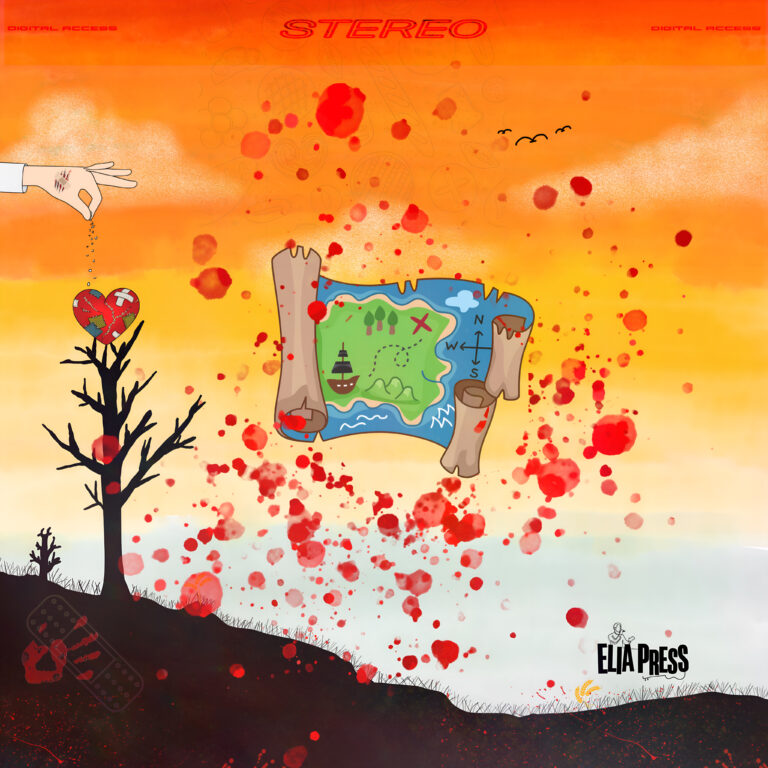
Toronto, ON – Elia Press is making an impact in the pop music arena with the release...

In the mesmerizing world of Coffee Beanz, the duo consisting of Gent Kat and Liljo023, their latest...