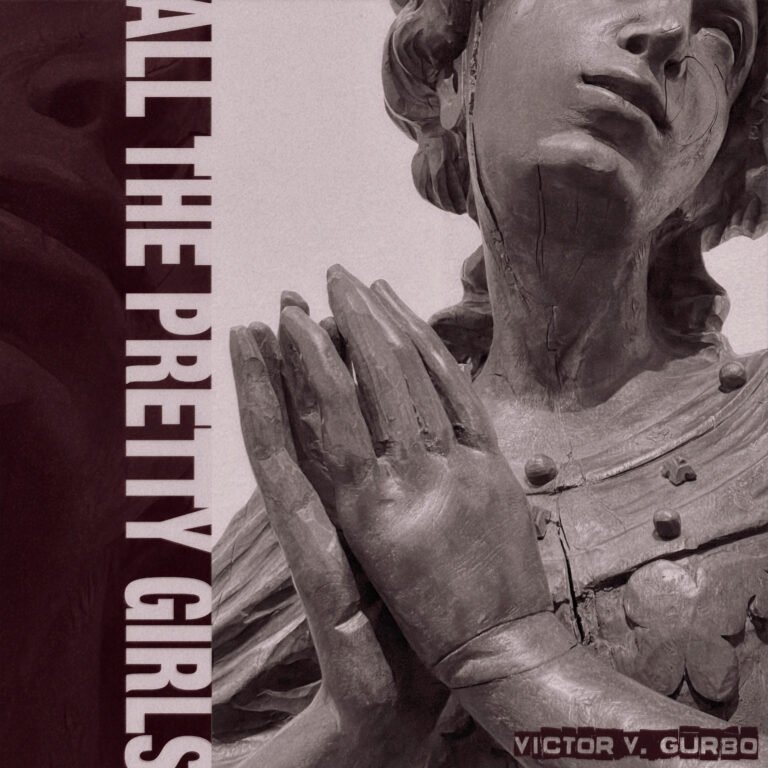
FOLLOW Victor V. Gurbo viA: Victor V. Gurbo latest release “All The Pretty Girls” represents more rocky....
Blues
Blues is deeply rooted in tradition and personal expression. From its very beginning, the essence of blues has remained unchanged. Most blues songs follow a simple and often three-chord progression, allowing for endless lyrical and musical improvisations. The origins of blues can be traced back to African spirituals and worksongs, which were passed down orally by southern African-Americans in the late 1800s. As these songs intertwined with American folk and country music from the Appalachians, new hybrid styles emerged in different regions. However, early blues recordings from the early 1900s share a common thread of featuring simple and rural acoustic guitars and pianos.
With the onset of World War II, the blues started to undergo fragmentation. Some musicians adhered to the acoustic traditions, while others ventured into jazzier territories. Nevertheless, following the lead of influential artists like Muddy Waters, many blues musicians transitioned to playing the blues on electric instruments. From that point forward, the blues continued to evolve in various directions, particularly with the use of electric instruments, while simultaneously preserving its acoustic roots as a cherished tradition.
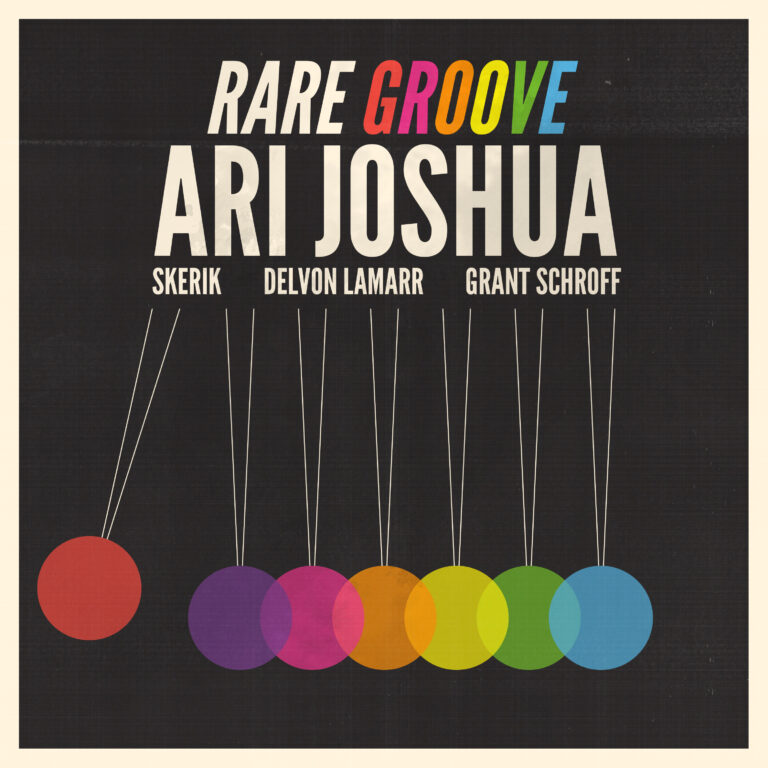
Follow Ari Joshua viA: Ari Joshua’s “Rare Groove” emerges as a vibrant celebration of jazz-funk fusion, a...
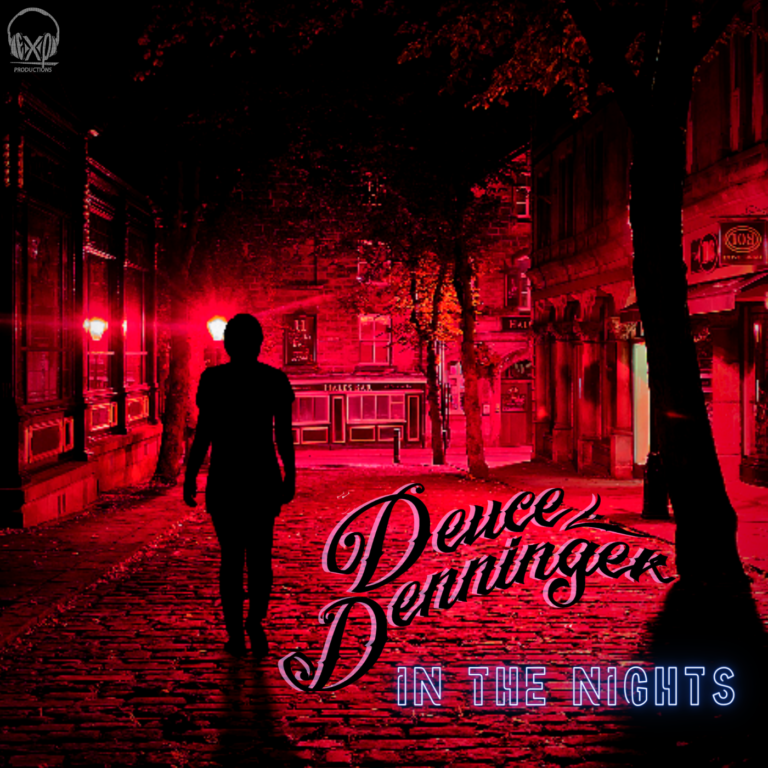
FOLLOW Deuce Denninger VIA: Deuce Denninger and his band blast out of Missouri with their new bluesy...

follow Simon Maggs via: Simon Maggs, a promising artist from Winchester, United Kingdom, has released his debut...

follow Trick Shooter Social Club via: Trick Shooter Social Club is a roots-rock band from Chicago that...