Follow TRICKSHOOTER SOCIAL CLUB via: Trickshooter Social Club has always embraced storytelling, and “Television” showcases their talent...
Country
Country music is deeply rooted in tradition, and yet its simplistic structure allows for endless variations on similar themes. Similar to the blues genre, country music often overlaps in themes, melodies, and shared songs. At its core, country music is characterized by its straightforward simplicity. Most songs are constructed using just three chords and a plain melody. However, these basic elements offer ample room for artists to explore diverse styles within the genre. From the gritty sounds of honky-tonk to the jazzy improvisations of Western Swing, country music encompasses a wide range of expressions.
The origins of country music can be traced back to American Southern folk music, including Appalachian and blues traditions. Early iterations of country music were humble and rooted in simplicity, featuring acoustic guitars and fiddles. As the genre progressed, old-time music evolved into a rhythmic blend of guitar and fiddle-driven traditional country, which served as the foundation for modern country music. This foundation gave rise to varied subgenres and styles, including honky-tonk, Western Swing, the pop-oriented Countrypolitan, and the rock-inflected Bakersfield Sound.
Country music’s evolution has seen it embrace different influences and sounds while retaining its connection to its folk origins. The genre’s ability to simultaneously preserve tradition and welcome innovation has allowed it to continuously grow and adapt to the changing musical landscape.

Follow BACKSTROM via: “Dark Clouds” is a bold release from Americana artist Backstrom, marking their second album...
Follow Delaware Tea Company via: Baltimore-based band Delaware Tea Company delivers a dynamic and refreshing single with...

FOLLOW Starlight Alice VIA: A new music sensation hailing from the UK, Starlight Alice is receiving great...

follow Dax via: Bringing a new twist to his chart-topping song “Dear Alcohol”, the proficient rap artist...
FOLLOW Victor V. Gurbo viA: Victor V. Gurbo latest release “All The Pretty Girls” represents more rocky....
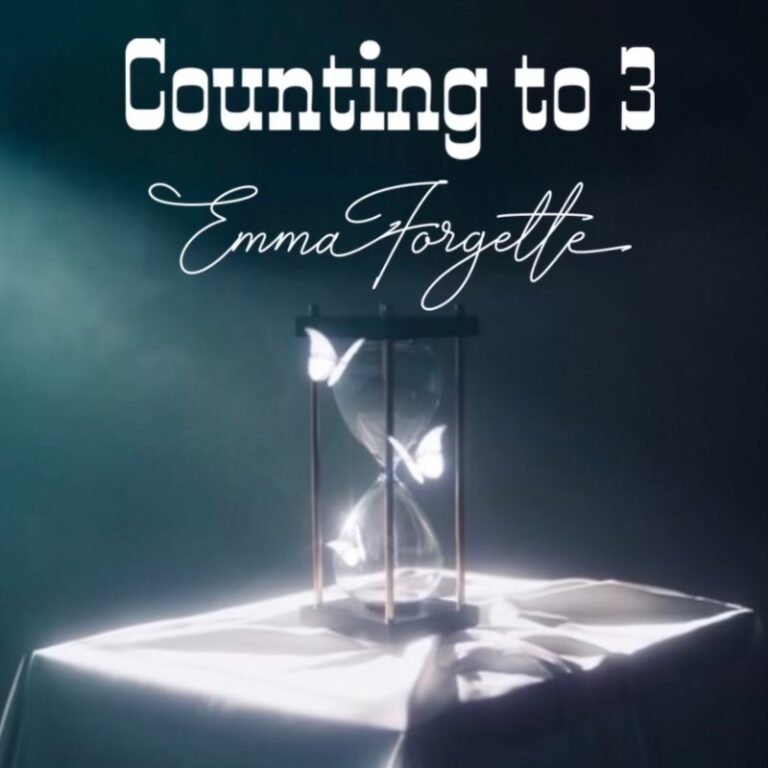
FOLLOW EMMA FORGETTE VIA: With her latest single “Counting to 3,” independent country artist Emma Forgette makes...
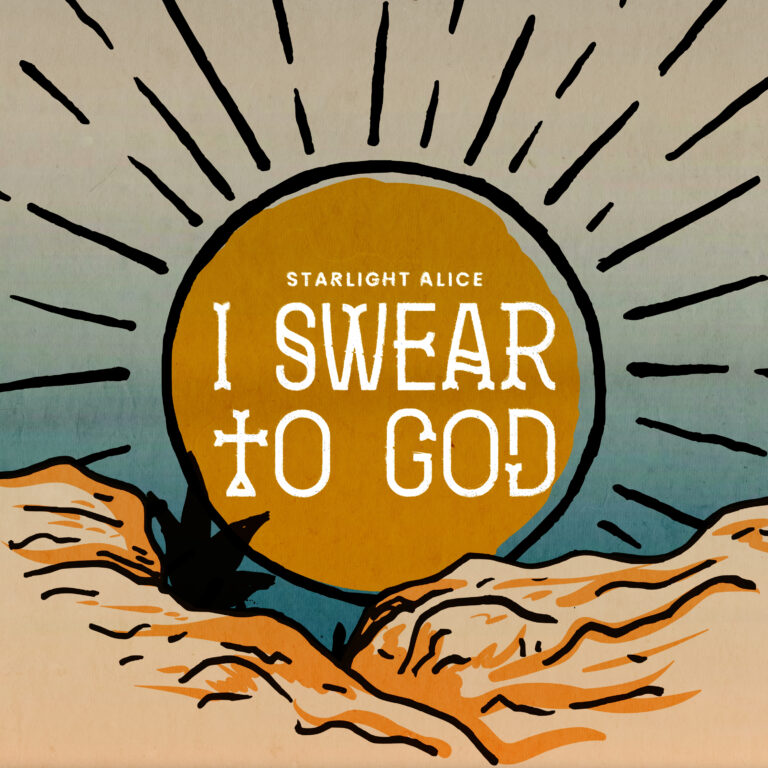
FOLLOW Starlight Alice VIA: The creative union between acclaimed artists Luke Potter and Jacob Browne has spawned...
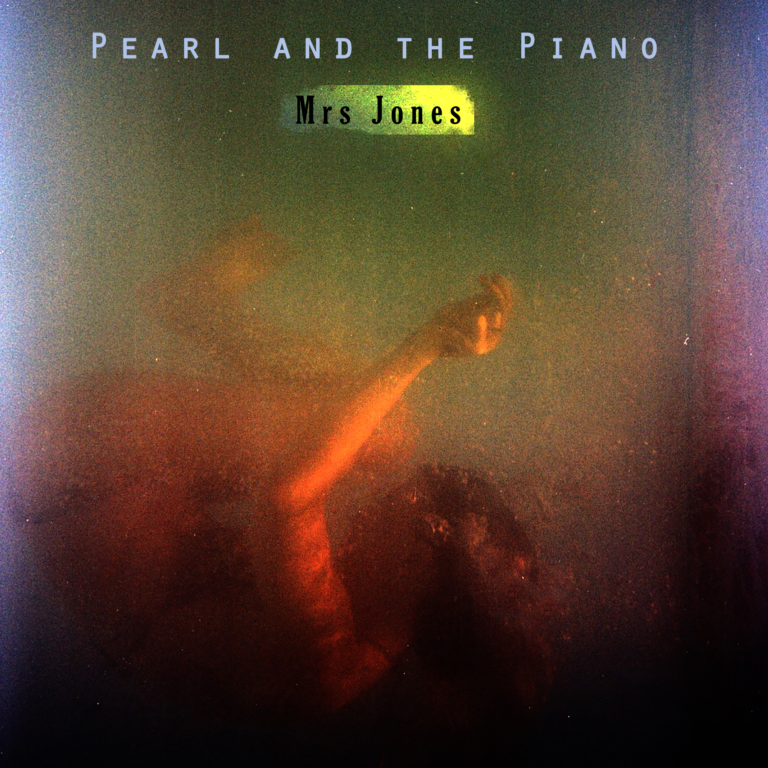
FOLLow Mrs Jones viA: For almost 20 years, Carly and Graeme from England’s Lake District, have been...
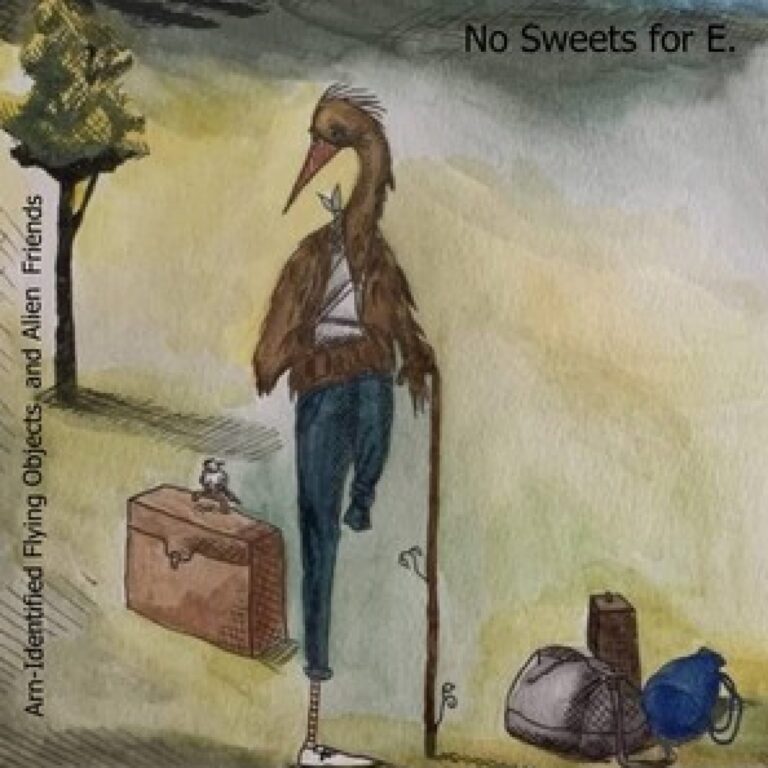
FOLLow ARN-IDENTIFIED FLYING OBJECTS AND ALIEN FRIENDS viA: With poise and passion, Arn-Identified Flying Objects and Alien...