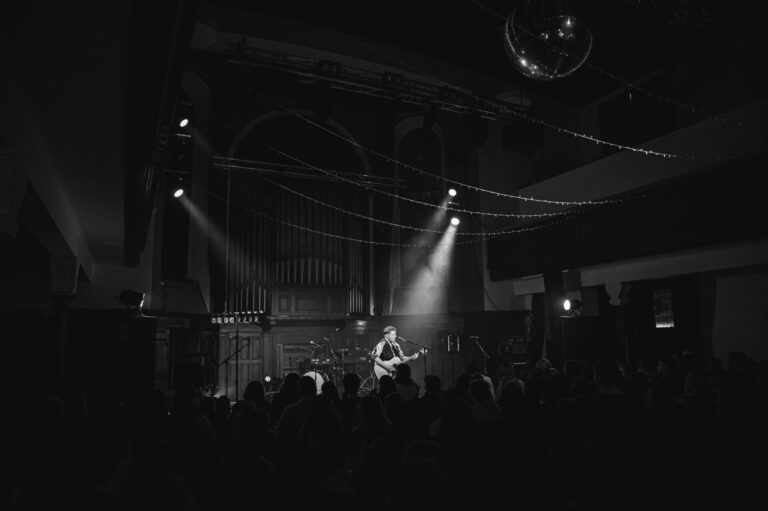
Sometimes a song finds its way into the rotation and completely halts the noise. Nashville-based singer-songwriter Scott...
Folk/Accoustic
In every country, there exists a distinct form of folk music, but the term typically refers to the music traditions passed down through generations by means of oral transmission in America and Britain. Folk music is characterized by its simplicity and acoustic foundation, as it weaves everyday events and ordinary people into narratives of mythical proportions. Numerous traditional folksongs have no identifiable author and have naturally evolved over time. When folk music was first recorded, a significant portion of it followed this nature. However, with the emergence of artists like Woody Guthrie, a new strand known as topical folk began making its way onto records. Nevertheless, certain musicians, including the Weavers and Pete Seeger, chose to blend traditional tunes with new compositions, be it their own works or those of contemporary songwriters.
Initially, Bob Dylan operated within this style, but with his second album, “The Freewheelin’ Bob Dylan,” he shifted to relying solely on original material. This move marked the onset of the modern folk era, where many performers primarily presented their own deeply personal and introspective songs, occasionally incorporating cover versions. This shift in approach ushered in a new era wherein folk music became more closely tied to individual expression and introspection, as artists embraced their own original material.

Michellar is not a new name to those who follow the heartbeat of soulful storytelling, but her...
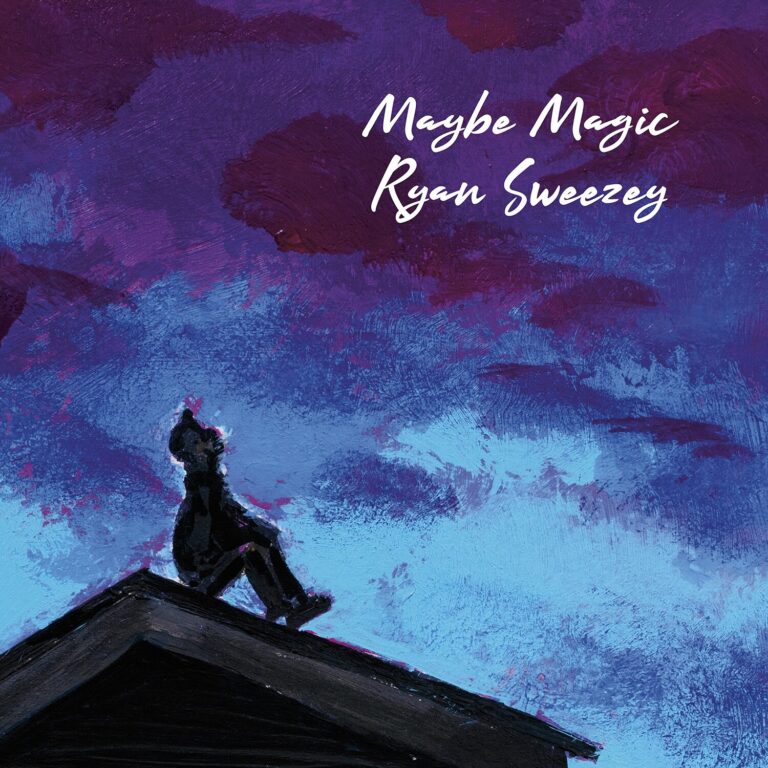
New here is Ryan Sweezey with a full-band flourish on Maybe Magic, a 10-track indie-folk/rock master art...

Ezra Vancil’s “Babylove,” the lead single from his long-gestating double album Morning & Midnight, is a masterclass...

Released on September 26, 2025, “Get Back My Way” has more to offer than a single, it’s...
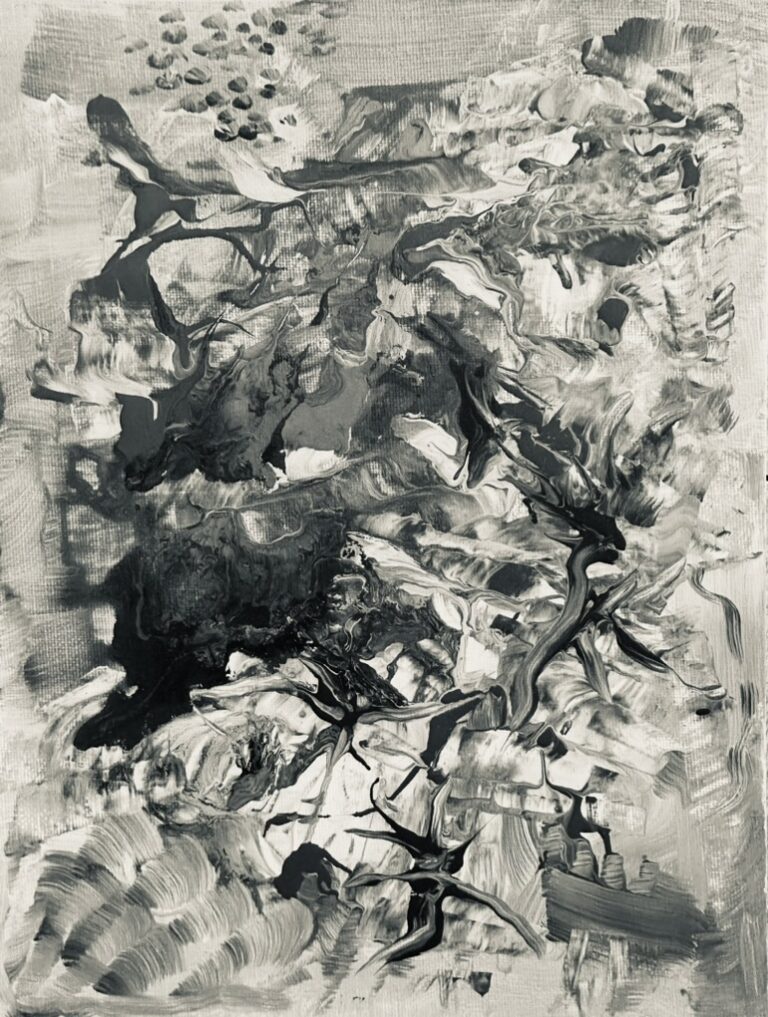
In “Aunque sea por una noche,” Michellar doesn’t just sing, she remembers. This Spanish-language debut is a...

ANACY’s “It’s Not You” is a hauntingly introspective pop anthem that dives deep into the emotional complexities...
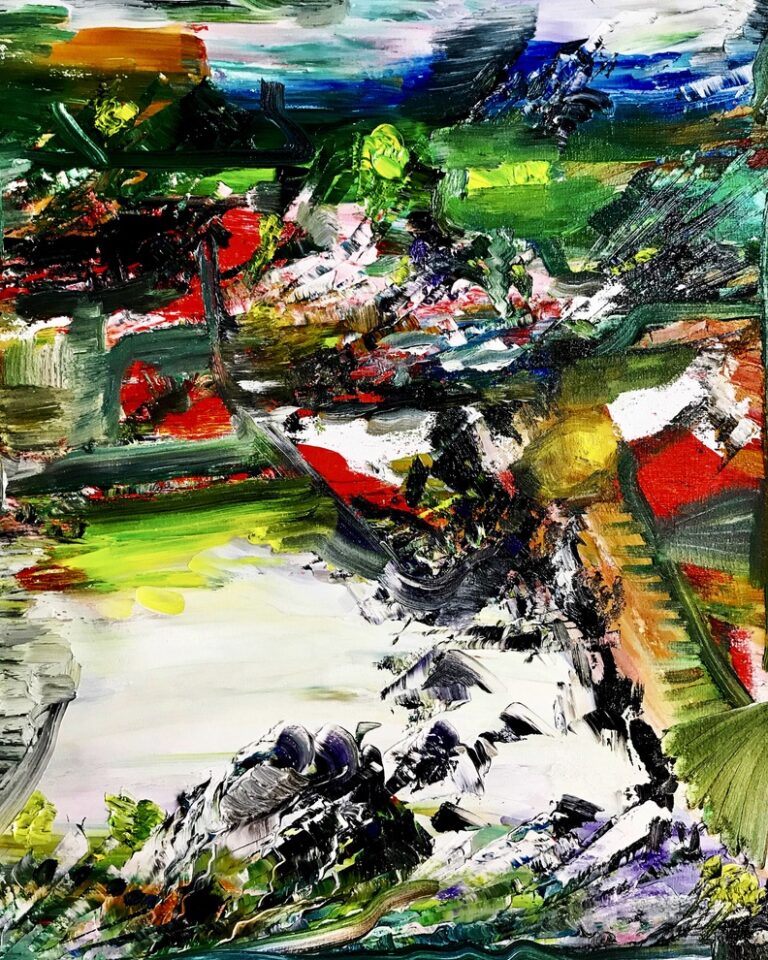
Follow MICHELLAR via: After making waves with the electronic shimmer of “I Can’t Meet You!” and the...

Follow LENA YOUNES via: In Ways of the Dreamer, Portuguese-based artist Lena Younes turns her personal story...
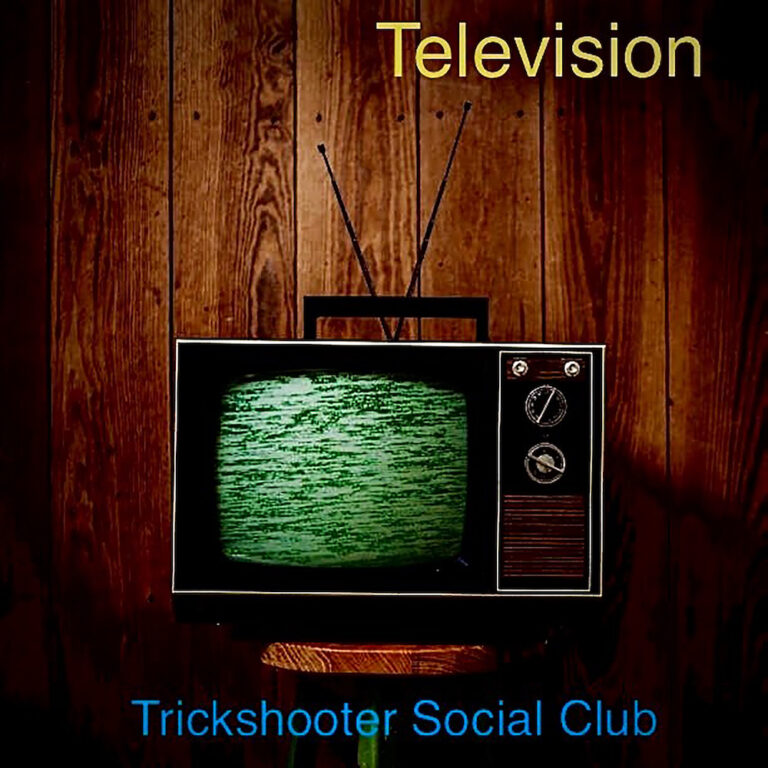
Follow TRICKSHOOTER SOCIAL CLUB via: Trickshooter Social Club has always embraced storytelling, and “Television” showcases their talent...