
FOLLOW Bloodlin3 VIA: Bloodlin3, a rising hip-hop trio on a mission to redefine the genre, is back...
Rap
Rap’s roots are often attributed to the socially conscious street poetry of groups like the Last Poets and the Watts Prophets. However, it wasn’t until the release of “Rapper’s Delight” by the Sugarhill Gang in 1979 that rap truly began to take shape and earn its name. From that point, rap expanded beyond its New York origins and spread across the United States, with each region developing its own distinct flavor. It eventually reached countless countries worldwide, showcasing the global influence of the genre.
At its core, rap is characterized by its rhythmic beats and clever rhymes. However, this simplicity belies the immense diversity of sounds that have emerged from it. Instrumentalists, sampled breakbeats, and drum machines can provide the foundation for a rap track, while the arrangement can range from spacious minimalism to chaotic complexity. The chorus of a rap song can vary from atonal shouts to melodic sweetness.
Detractors initially dismissed rap as a passing fad, and even when LL Cool J released his first single in 1985, skepticism persisted. This skepticism continued even as he released his tenth album, roughly two decades later. It’s likely that doubters will persist as long as the genre exists. However, even if rap were to ever decline (highly unlikely), its impact on other music forms—such as R&B, rock, and jazz—has already been deeply ingrained and would be nearly impossible to undo.
FOLLOW Devon Fouch VIA: Devon Fouch, a talented songwriter from Chicago’s thriving music scene, elicits the spirit...

FOLLOW PROKLAIM VIA: On a crisp December day in 2022, Proklaim dropped a bombshell: “PRICE OF LOVE...

follow Dax via: Bringing a new twist to his chart-topping song “Dear Alcohol”, the proficient rap artist...

FOLLOW Jeanna-Sis VIA: In her latest album, “Eyes Wide Open,” German-based rapper Jeanna-Sis embarks on a bold...

FOLLOW Don Bonya VIA: Don Bonya’s ‘Unchangeable’ is a genre-bending anthem of resilience. This explosive track, featuring...
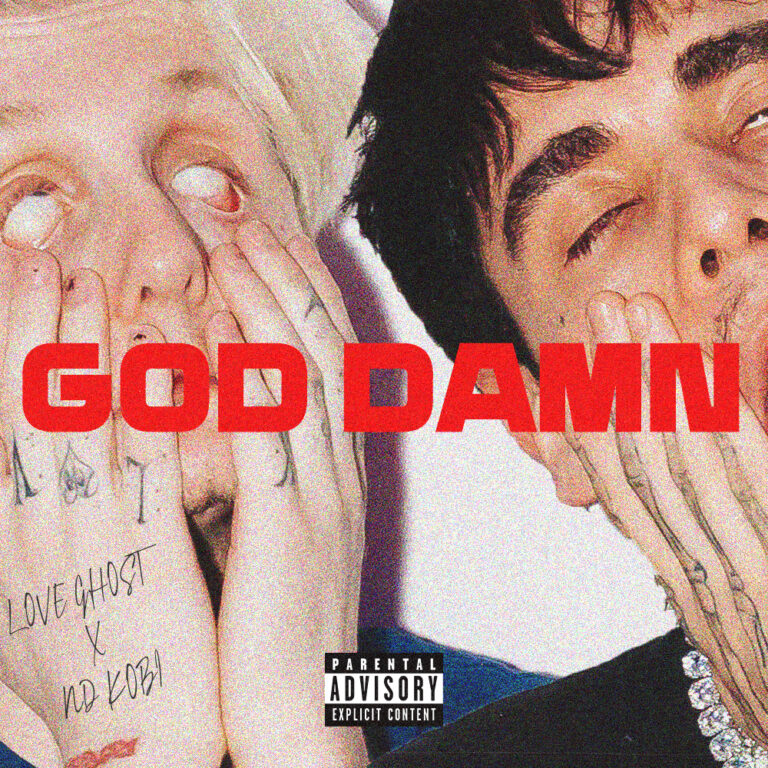
FOLLOW LOVE GHOST VIA: Love Ghost’s latest single “God Damn,” is rumored to be on his upcoming...

FOLLOW Trevour Amunga VIA: In his latest EP, “Akira’s Blues,” artist Trevour Amunga takes a look at...

FOLLOW OIEE viA: Bence Kocsis introduced his vibrant electronic solo project, OIEE in 2019. He is a...

FOLLOW V Of 40M viA: Check out the newest release “The Score,” by V of 40M featuring...